
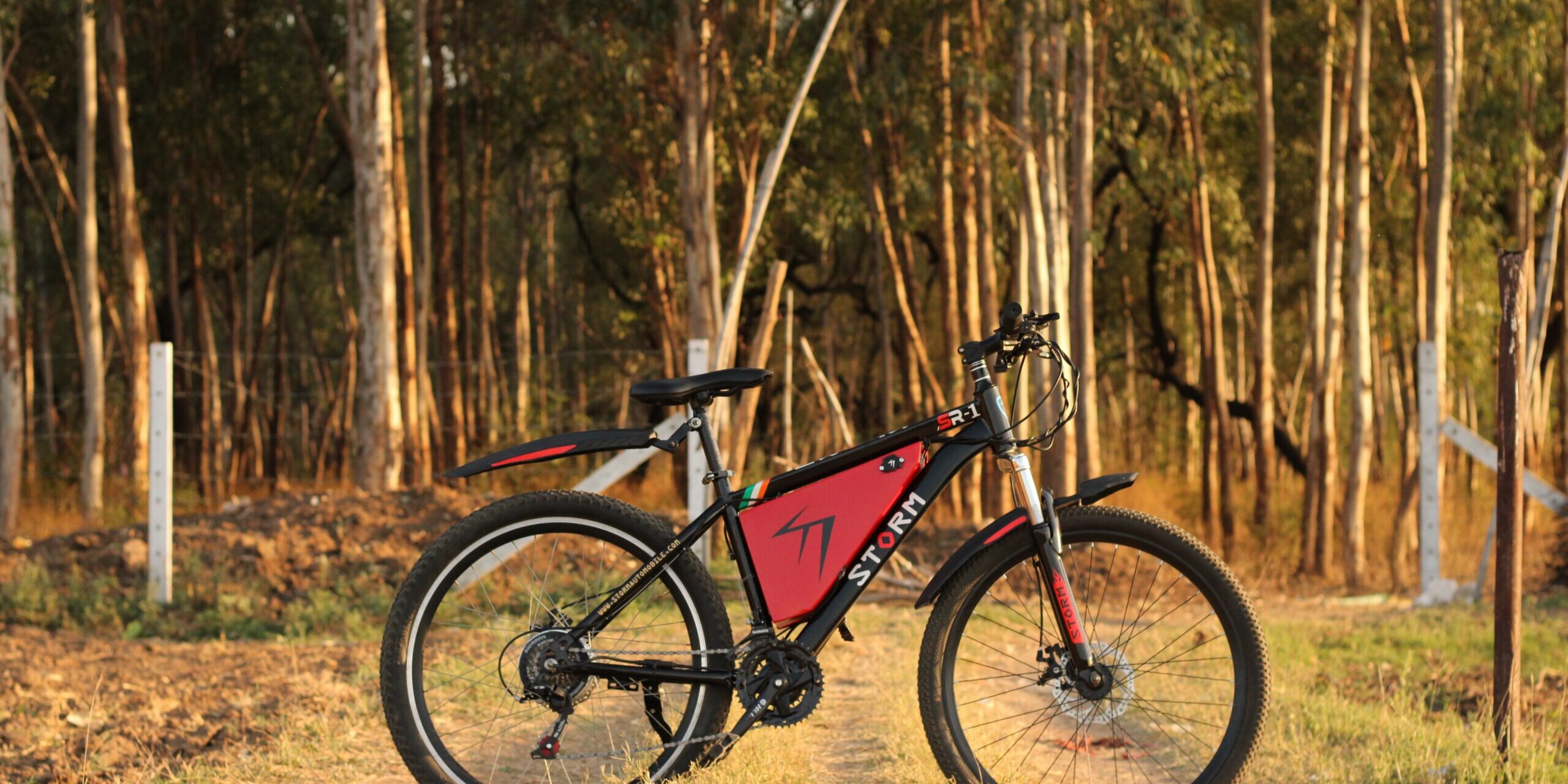
I am seeing more of these bikes on neighborhood roads, around parks, near schools, and in places where drivers do not expect a child to be traveling at motorcycle-like speeds. Most parents think they’re buying a bicycle with a battery attached. In many cases, that’s true. In some cases, however, they’re buying something much closer to a small, unregistered motorcycle and may not realize it until after an accident.
As a trial lawyer and a mechanical engineer, I have a different perspective on these machines. I appreciate the technology, but I also understand the consequences when speed, mass, and human error intersect.
Under Pennsylvania law, a legal “pedalcycle with electric assist” generally may not be capable of exceeding 20 mph on motor power alone and must meet other statutory requirements. A “pedalcycle with electric assist” generally must have operable pedals, a motor of 750 watts or less, weigh no more than 100 pounds, and be incapable of exceeding 20 mph on motor power alone. Pennsylvania generally requires riders to be at least 16 years old. Importantly, bicycles and qualifying e-bikes are generally treated as vehicles on Pennsylvania roadways. Riders have many of the same rights and responsibilities as motorists and must obey traffic signals, stop signs, and other rules of the road.
Yet many of the bikes being marketed to teenagers or children today are capable of speeds far in excess of that limit. Some arrive from the manufacturer that way. Others can be modified or unlocked with minimal effort. As an engineer and a trial lawyer, this distinction concerns me because it is not merely a technicality. The legal classification of the vehicle can affect licensing requirements, insurance coverage, liability exposure, and how an accident is evaluated after it occurs. In practice, we have learned that physics unfortunately wins. When a 50-pound e-bike collides with a 5,000-pound SUV, it is rarely the SUV occupant whose life is permanently changed.
Why It Matters
Many parents reasonably believe they are purchasing a bicycle. However, if a vehicle no longer fits Pennsylvania’s statutory definition of a legal e-bike, an argument may arise that it should be treated differently under Pennsylvania law. Depending on the facts, questions may arise concerning whether the rider was operating an improperly classified vehicle, whether insurance exclusions apply, and whether additional legal obligations existed. These issues often do not receive much attention until after someone is seriously injured. Unfortunately, that is precisely when they become important.
A Trial Lawyer’s Perspective on E-Bikes
When an accident occurs, every decision made before the crash comes under a microscope.
- How fast was the bike capable of traveling?
- Had its settings been modified?
- Did the parents know it could exceed statutory limits?
- Was it being operated on a roadway alongside vehicle traffic?
- Could it legally be considered an e-bike under Pennsylvania law?
- These are the types of questions lawyers, insurance companies, and experts may examine when injuries are serious.
The problem for many families is that the answers may not be nearly as straightforward as they expected when they clicked “Add to Cart.” My follow up article, E-Bikes Are Vehicles, Not Toys – The Law is at Odds with Reality Part II: The Insurance Coverage Catastrophe” digs deeper into the possible accident scenarios and insurance coverage issues that could arise.